
How to Choose the Right Safety Glove for the Job
Choosing the right safety glove isn’t just about comfort—it’s about ensuring your hands are protected against the specific hazards of your job. At 503 PPE, we understand that each task demands a glove tailored to its unique challenges. Let’s explore how to select the perfect glove for your needs.
Understanding Safety Glove Types
Cut-Resistant Gloves
Ideal for tasks involving sharp tools or materials, such as construction or manufacturing. These gloves are crafted from materials like high-performance polyethylene (HPPE) or Kevlar, offering protection without sacrificing dexterity. They are rated on the ANSI/ISEA scale from A1 (light cut protection) to A9 (heavy-duty protection).
When working with sharp tools or materials, cut-resistant gloves are essential. They come in various ANSI cut levels:
- A1–A3: Light to moderate protection for general tasks.
- A4–A6: Higher protection for automotive or HVAC work.
- A7–A9: Maximum protection for glass handling or steelwork.
Our Cut Resistant Gloves Level A4 offer robust protection for demanding environments.
Chemical-Resistant Gloves
Essential for handling hazardous substances in laboratories or industrial settings. Materials like nitrile, neoprene, or butyl rubber provide varying levels of protection against specific chemicals. Always consult the manufacturer’s guidelines to ensure compatibility with the chemicals you’ll encounter.
For tasks involving chemicals, selecting the right glove is crucial:
- Light Protection: Suitable for occasional chemical contact.
- Moderate Exposure: Ideal for handling solvents or lubricants.
- Heavy-Duty Protection: Necessary for prolonged exposure to hazardous materials.
Explore our Chemical Resistant Gloves 13″ for comprehensive protection.
Impact-Resistant Safety Gloves
They are designed for environments where hands are exposed to heavy machinery or tools. These gloves feature reinforced knuckles and padding to absorb shocks and prevent injuries. It is important to understand the standard rating system. The ANSI/ISEA 138 standard indicates their level of impact protection.
Thermal Protection Gloves
Suitable for extreme temperatures, whether hot or cold. Materials like Kevlar or aluminized fabric provide insulation, protecting against burns or frostbite.
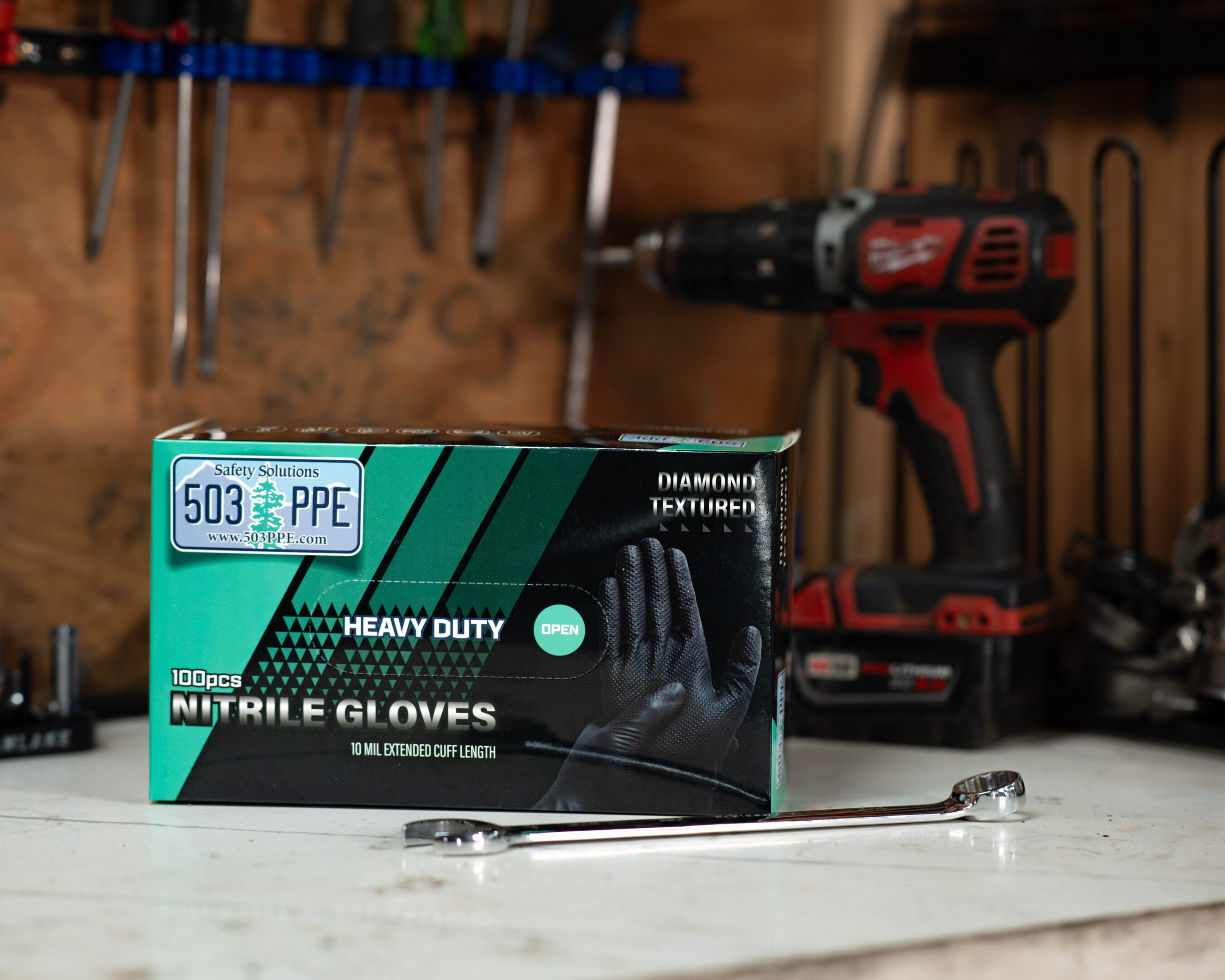
Nitrile/Disposable Gloves
Common in healthcare and food industries, these gloves offer protection against contaminants. Nitrile gloves are a popular choice due to their durability and resistance to punctures and chemicals.
Nitrile gloves are renowned for their chemical resistance and durability. They are also latex-free, making them suitable for individuals with latex sensitivities.
- 3–4 mil Thickness: Ideal for tasks requiring dexterity, such as medical examinations or food handling.
- 4–5 mil Thickness: Strikes a balance between protection and flexibility, suitable for industrial work.
- 8+ mil Thickness: Offers enhanced protection against abrasives and chemicals, perfect for heavy-duty tasks.
Consider our 10 Mil Pure Nitrile Gloves with Extended Cuff for maximum protection.



Key Considerations for Safety Glove Selection
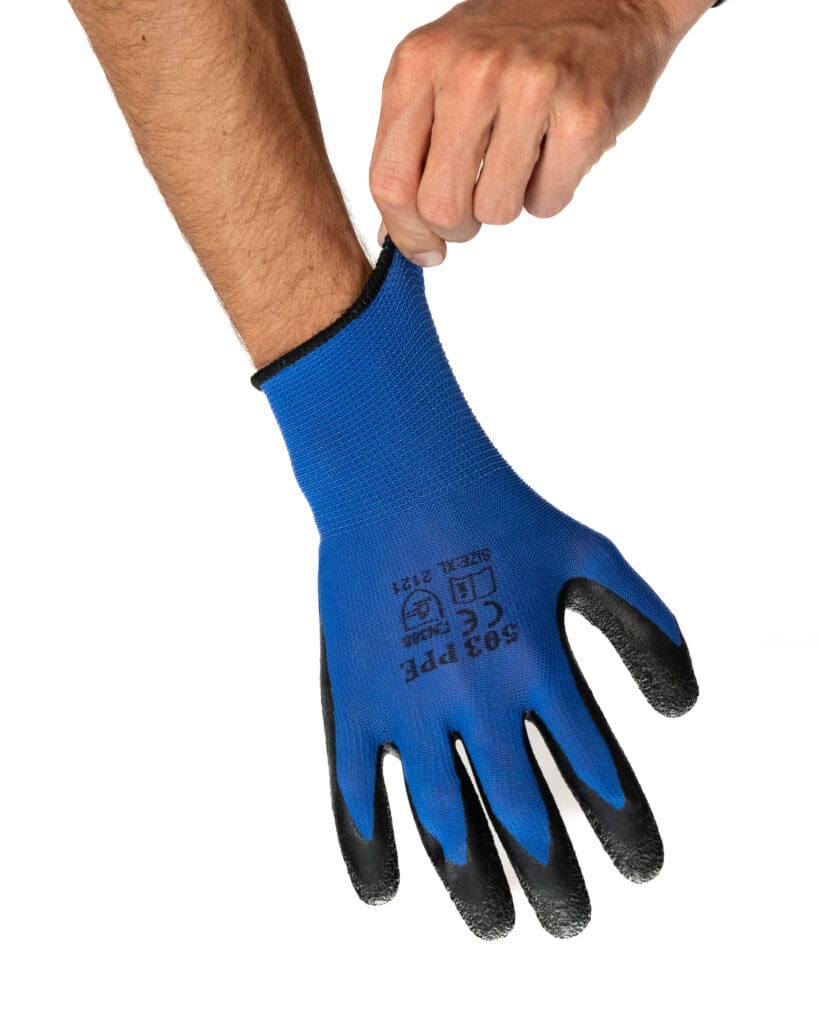
- Hazard Assessment: Identify the specific risks associated with your tasks, be it cuts, chemicals, impacts, or temperature extremes.
- Material Compatibility: Ensure the glove material is suitable for the substances or tools you’ll handle.
- Fit and Comfort: A well-fitting glove enhances dexterity and reduces hand fatigue.
- Regulatory Compliance: Choose gloves that meet industry standards and certifications relevant to your field.
Practical Examples
- Automotive Repair: Mechanics often require gloves that offer both cut resistance and dexterity. A 10 mil nitrile glove with extended cuffs or a nitrile-coated glove protects without compromising movement.
- Chemical Handling: For tasks involving solvents or acids, a nitrile glove with extended cuffs ensures both chemical resistance and forearm protection.
- Construction Work: Workers benefit from gloves that combine impact resistance with a strong grip. A dipped glove featuring ANSI ratings gives reinforcement and a textured palm for both.
Safety Glove Thickness and Durability
The thickness of a glove, measured in mils (1 mil = 0.001 inches), affects its durability and tactile sensitivity:
- 3–4 mil: Offers high dexterity; suitable for tasks requiring precision.
- 5–6 mil: Balances protection and flexibility; ideal for general industrial use.
- 8+ mil: Provides enhanced protection; best for heavy-duty tasks involving chemicals or abrasive materials.
Maintenance and Best Practices
- Regular Inspection: Check gloves for signs of wear or damage before each use.
- Proper Storage: Store gloves in a cool, dry place away from direct sunlight to prolong their lifespan.
- Hygiene: For reusable gloves, clean them according to the manufacturer’s instructions to prevent contamination.(EHS UMass Amherst)
- Storage: Store in a cool, dry place away from direct sunlight.
Your Safety Comes First with 503 PPE
At 503 PPE, we’re committed to providing high-quality safety equipment tailored to your needs. Our range of gloves meets various industry standards, ensuring you have the right protection for every task. Explore our selection and consult with our experts to find the perfect fit for your workplace.
Remember, the right glove not only protects but also enhances performance. Choose wisely, and prioritize safety in every task.
